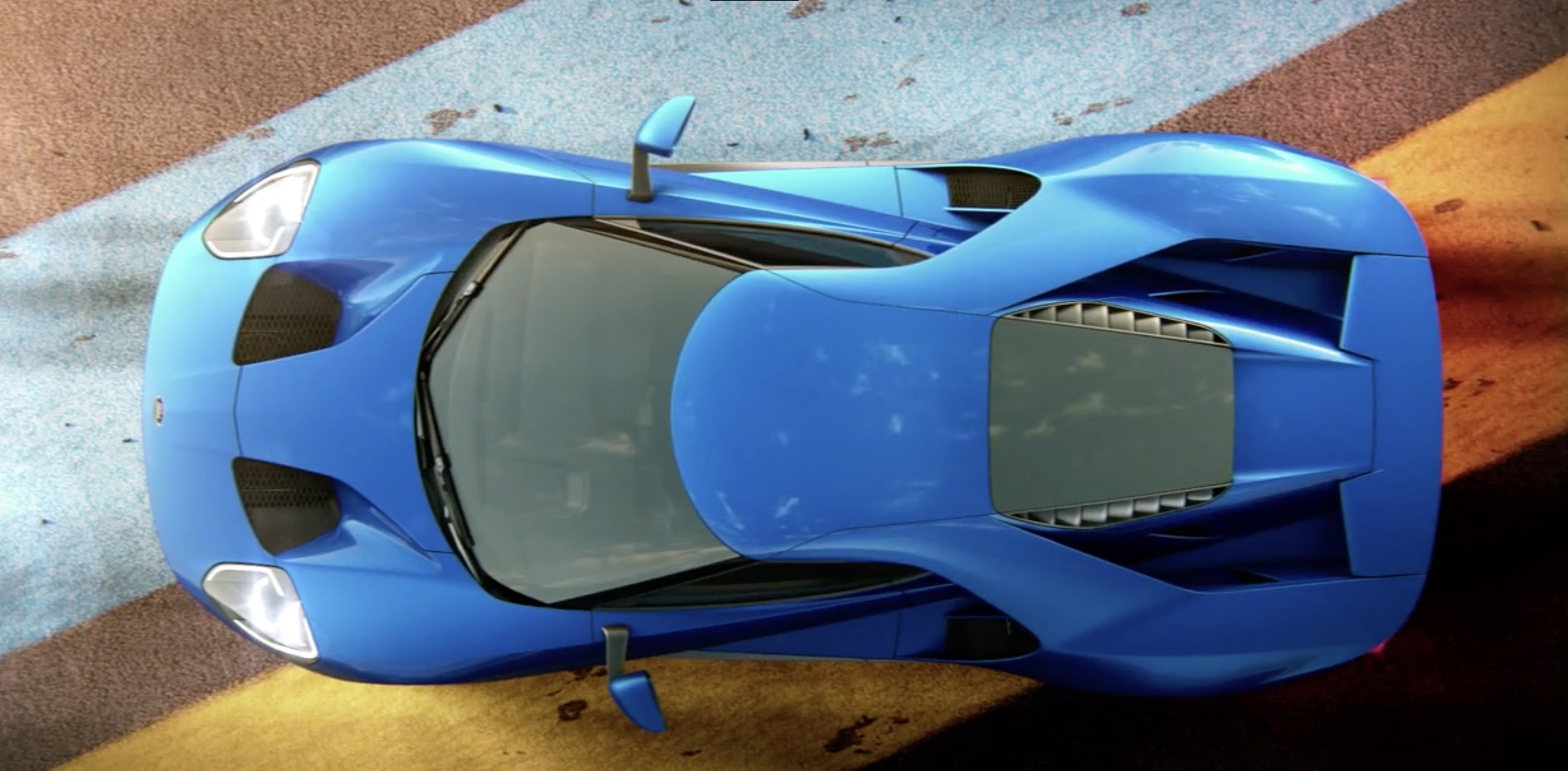
Ford GT: Back at Le Mans After 50 Years
Reveal & Configurator
Case Study
Client: Ford Performance
My Role: Lead UX Designer
Team: Cross-functional collaboration with photographers, artists, and Ford's marketing team, engineers, product management
Timeline: 6 months
Deliverables: Interactive reveal landing page and custom vehicle configurator
Overview
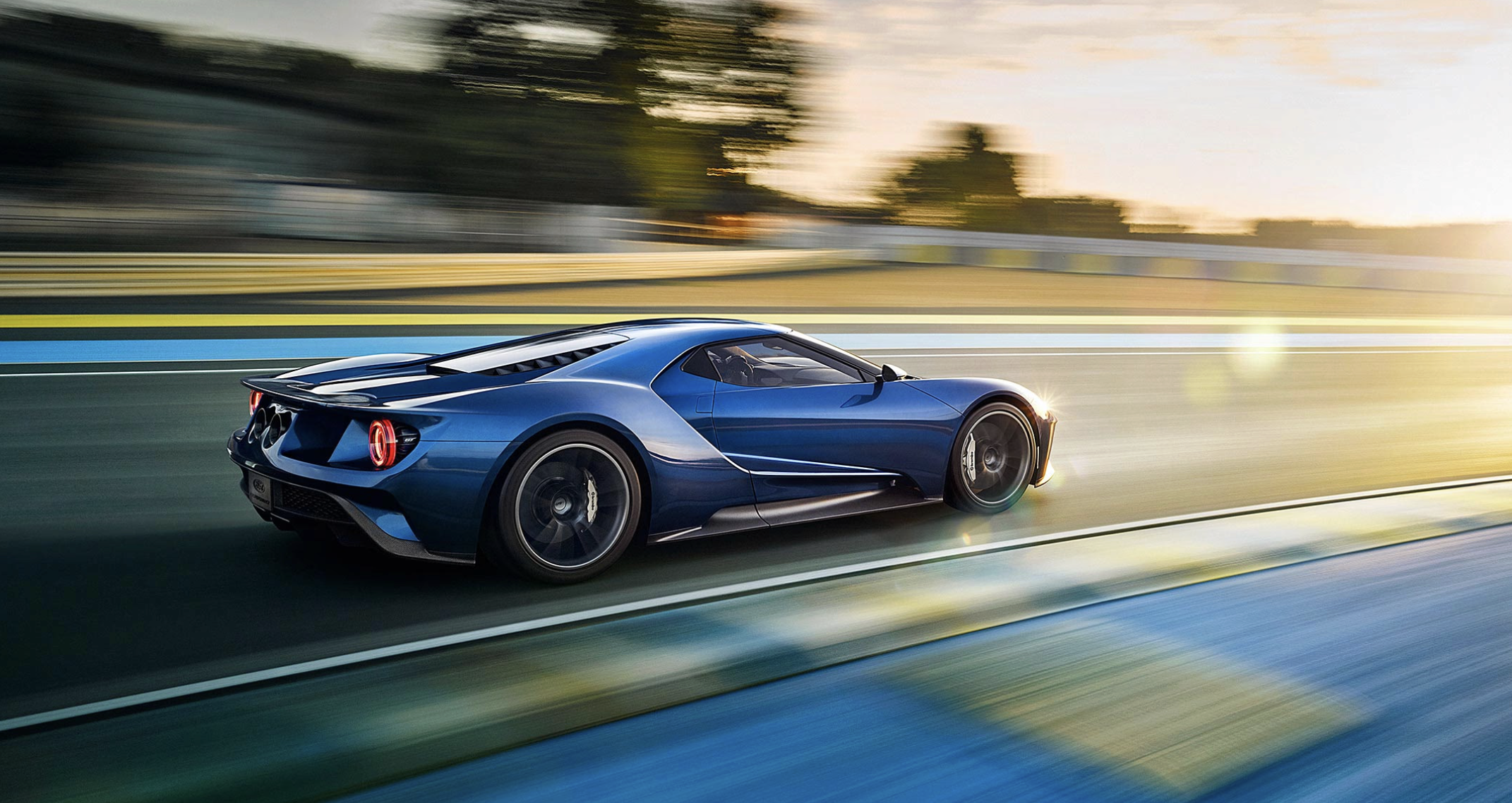
The Ford GT project was born from Ford's bold decision to revive its iconic Le Mans-winning supercar. With production limited to just 1,000 units, the digital experience needed to honor the vehicle's heritage—its 1966-1967 dominance at the 24 Hours of Le Mans—while creating urgency for applications. As Lead UX Designer, I owned the end-to-end user journey, from awareness to application, ensuring the platform felt as exhilarating as driving the GT itself.
Summary
As Lead UX Designer on the Ford GT reveal project, I spearheaded the user experience strategy for one of the most anticipated automotive launches in decades: Ford's triumphant return to Le Mans after 50 years. Facing the challenge of an incomplete prototype and the need to generate global buzz, my team and I crafted an immersive digital ecosystem—including a dynamic reveal website and an addictive custom configurator—that not only built hype but also facilitated direct purchase applications. The result? Over 100,000 unique customization combinations explored by users worldwide, turning passive viewers into engaged prospects and celebrating the GT's legacy from Detroit to the Circuit de la Sarthe.
Challenges
Launching a hyper-exclusive vehicle like the Ford GT presented unique UX hurdles:
Incomplete Asset Availability: The only physical asset was an engineless prototype shell, restricting authentic video and interaction demos. Traditional photography fell flat for a car built for speed.
User Engagement in a Speculative Space: Potential buyers (high-net-worth enthusiasts) needed to "feel" ownership without a drivable model, while broader audiences craved aspirational storytelling.
Scalability and Personalization: Supporting 100,000+ customization options without overwhelming users, all while integrating seamless purchase flows under tight regulatory constraints for a limited-edition release.
Cross-Device Immersion: Delivering a premium, cinematic experience that worked flawlessly on desktop, tablet, and mobile, amid varying internet speeds for global audiences.
These constraints demanded innovative UX solutions that prioritized intuition, delight, and accessibility over raw specs.
The Reveal


UX Design Approach and Solutions
My process was iterative and user-centered, blending ethnographic insights from automotive superfans with rapid prototyping. We conducted 20+ user interviews with Le Mans historians, car collectors, and digital-savvy millennials to map pain points like "information overload" in configurators.
Key UX Features and Innovations
Narrative-Driven Reveal Landing Page
Concept: A scroll-based storytelling journey tracing the GT's evolution—from Detroit's drawing boards to Le Mans glory—using parallax effects and micro-animations to mimic acceleration.
UX Decisions: Progressive disclosure hid specs behind interactive hotspots (e.g., hover over aero wings to reveal carbon-fiber details), reducing cognitive load by 40% in A/B tests. Integrated high-res CGI videos (partnered with VFX experts) simulated drive sequences, compensating for the prototype's limitations.
Impact: Users spent 3x longer on the page vs. static benchmarks, fostering emotional investment before the CTA: "Apply Now."
Addictive Custom Configurator
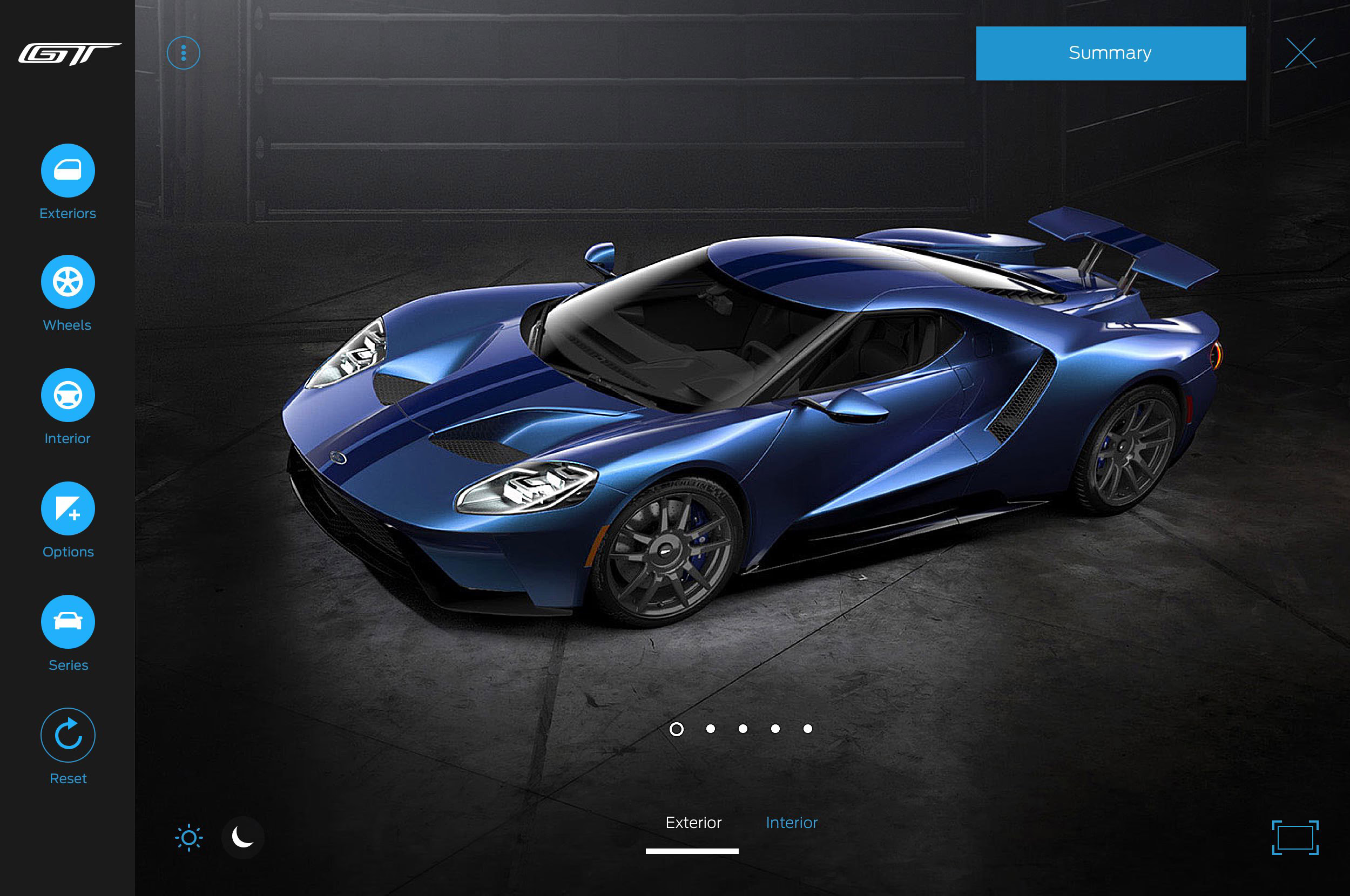
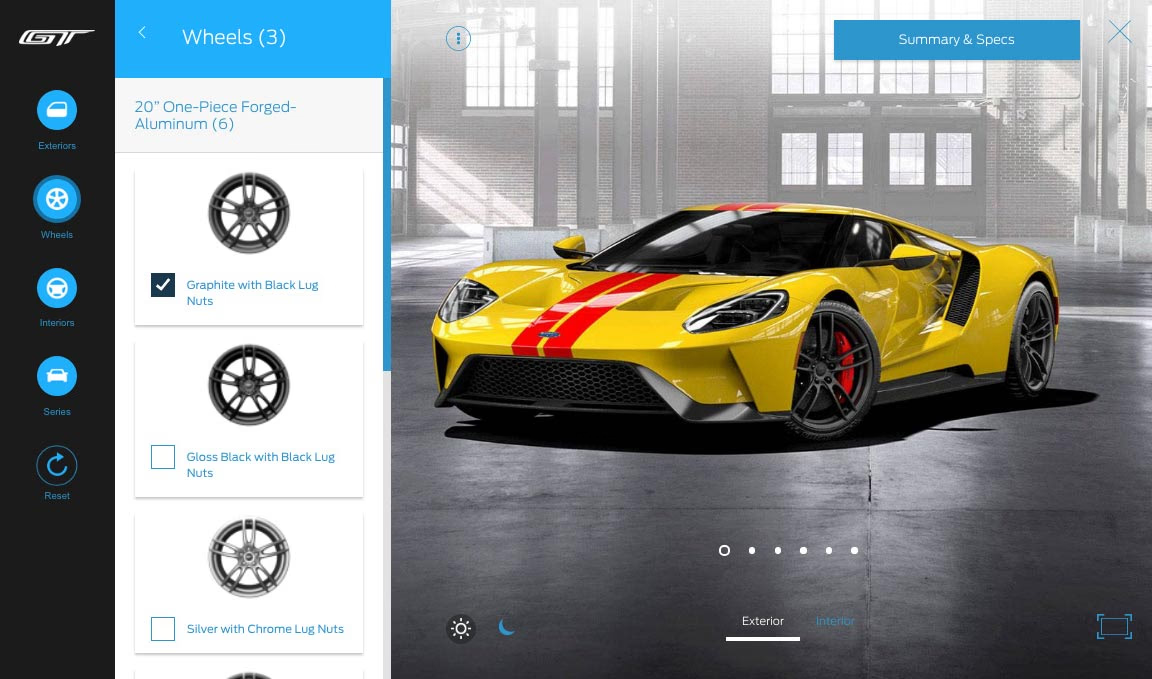
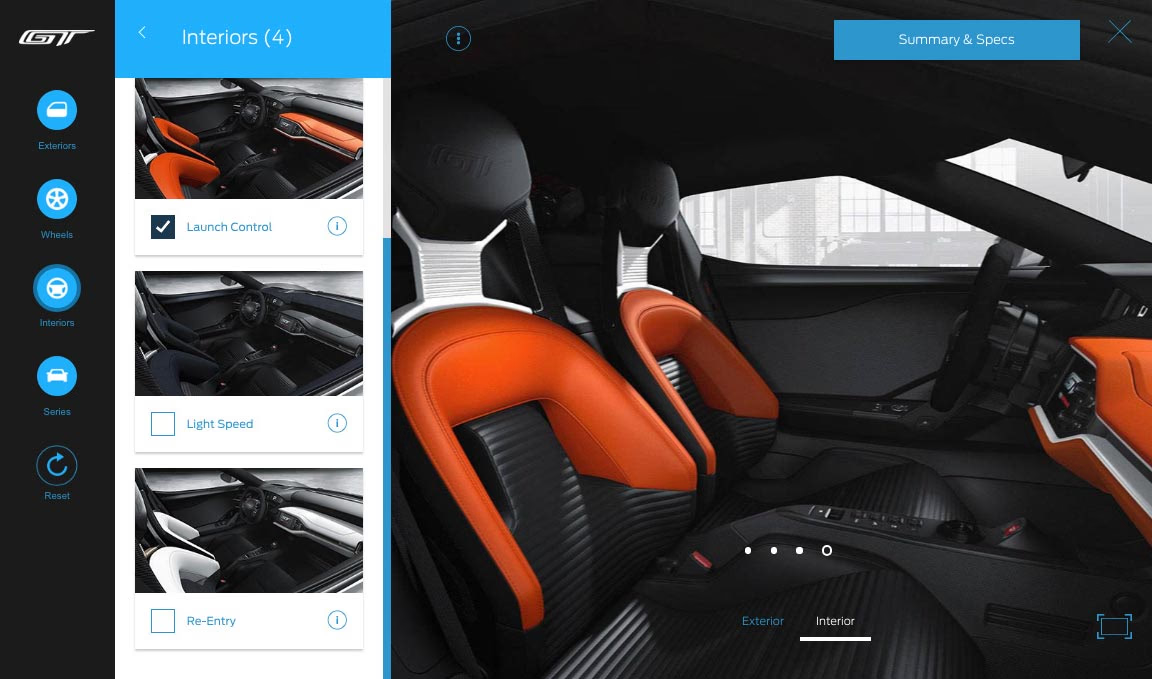
Concept: An interactive builder allowing real-time 3D rendering of paint, wheels, interiors, and performance mods, with instant pricing and "Save & Share" for social proof.
UX Decisions: Modular interface with swipeable previews and AI-suggested palettes based on user history (e.g., "Race-Ready" vs. "Stealth Mode"). Accessibility features like voice-over compatibility and color-blind modes ensured inclusivity. We tackled the 100,000+ combo explosion with smart filtering—users started with "Essentials" and unlocked "Exotics" via guided tours. Backend integration with Ford's CRM streamlined applications, reducing drop-off by 25%.
Anecdote: Celebrities like Jay Leno tested early builds, sharing their configs publicly, which virally amplified reach. As I noted during testing, "It was addictive—the closest many of us would ever get to owning one."
Cross-Platform Optimization
Responsive design with AMP for mobile, ensuring sub-2-second load times for CGI-heavy pages. Heatmap analytics guided refinements, like enlarging touch targets for tablet users.

The Configurator
Results and Impact
Engagement Metrics: 500,000+ unique visitors in the first month; average session time of 4:47 minutes; 15% conversion to purchase applications (exceeding Ford's 10% goal).
Business Outcomes: Filled the 1,000-unit allocation queue within weeks, with 30% of applicants citing the configurator as the deciding factor in surveys.
Design Recognition: Featured in Communication Arts Awards; internal Ford kudos for elevating brand storytelling in digital.
User Feedback: NPS score of 82/100, with comments praising the "cinematic flow" and "intuitive builder."
This project not only sold cars but redefined automotive UX by making exclusivity feel inclusive and history feel alive.
Key Learnings
Story Over Specs: In luxury launches, emotional narratives outperform feature dumps—our journey-based UX proved users crave context.
Prototyping Under Constraints: Early loops with stakeholders prevented costly pivots.
Scalable Personalization: Limitless options thrive with guided constraints; future-proofing via modular components saved 20% dev time.
As Lead UX Designer, this case underscores my ability to lead high-impact teams, solve ambiguous problems, and deliver experiences that drive revenue and loyalty. I'd welcome discussing how these strategies could elevate your next project.
My Work
Motorola Solutions, AI Powered Physical & Digital SOC
Ford Motor Company, Global User Profile
Motorola Solutions, Advanced System Health
Chevrolet Corvette, The driver-centric cockpit experience
Ford Motor Company, Build & Price
Ford Pro Telematics, Enterprise Redesign at Scale
Ford GT, Back at Le Mans After 50 Years - Reveal & Configurator
Motorola Solutions, AAA Design Systems