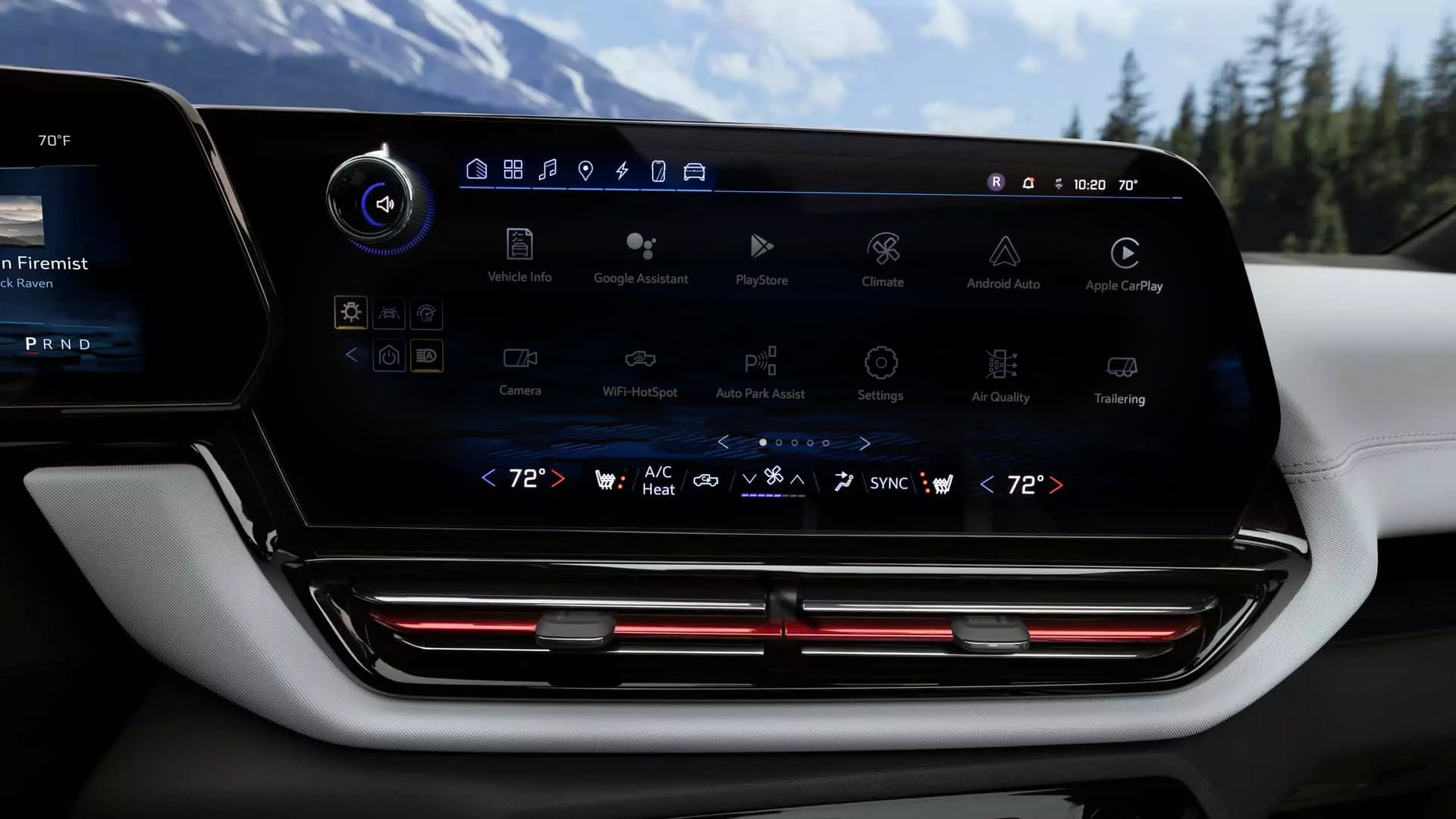
Climate Virtualization
Redesigning Climate Controls for Chevrolet, Buick, GMC, Corvette
Case Study
Overview
Replace every physical climate-control panel across GM’s entire North American portfolio (over 40 nameplates, from Bolt EUV to Escalade-V) with a single, scalable digital climate interface.
My Role: Lead UX Designer
Outcome: First 100 % digital climate system ever deployed across an entire OEM lineup. Launched first in 2023 Ultium-based vehicles, rolled out to ICE and refreshed models through 2026.
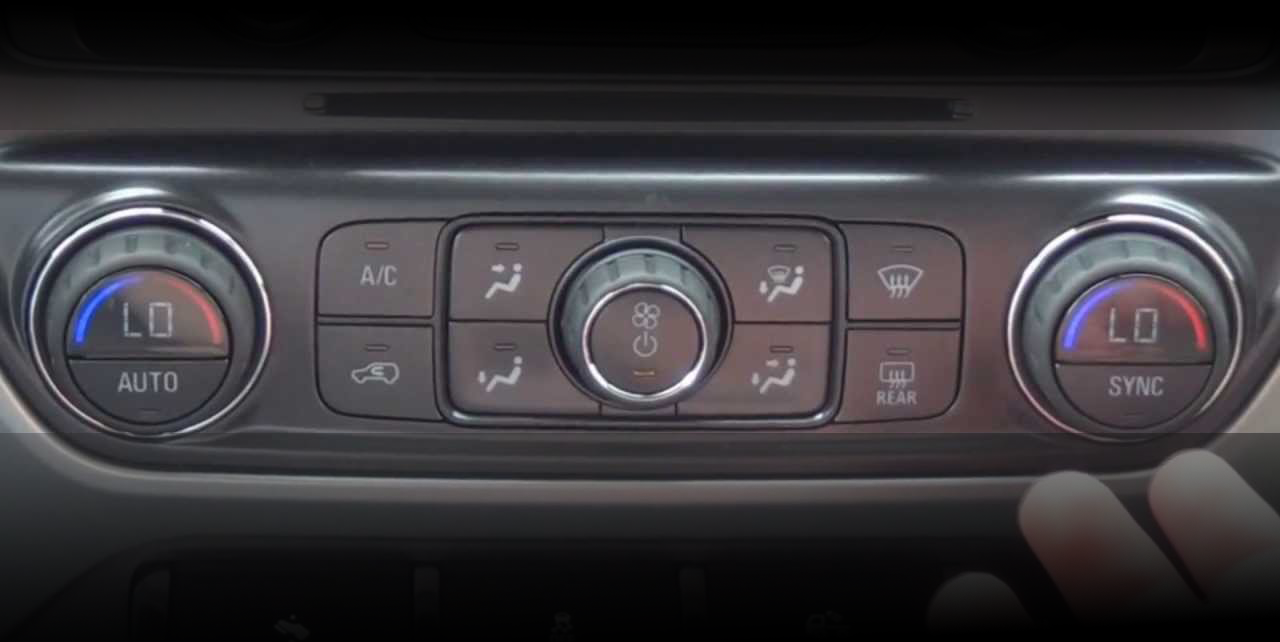
Chevy 2021
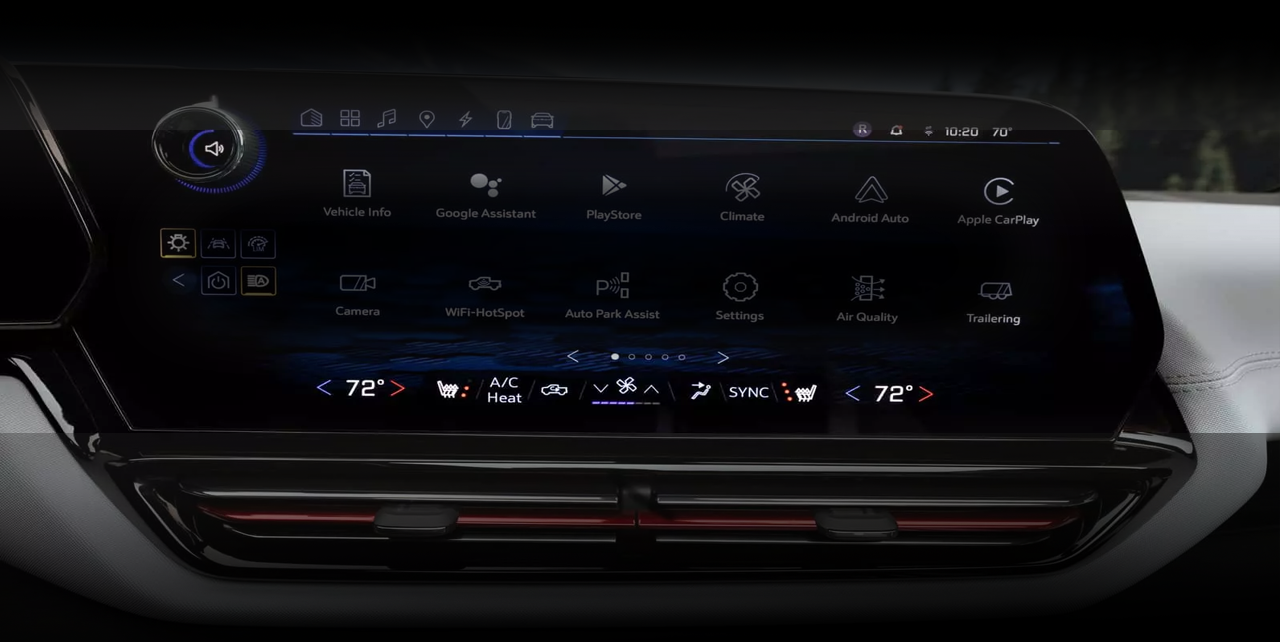
Chevy 2025
The Challenge
Physical HVAC panels were different for nearly every model - high tooling cost, parts proliferation, and inconsistent user experience.
Customers complained that climate controls were increasingly “buried” in deeper menus on existing touchscreens.
Regulatory pressure (NHTSA eyes-on-road guidelines) and accessibility laws (CVAA Section 508) demanded one-hand, eyes-up operation.
Four very different brand personalities had to feel distinct while sharing 95 % of the code and components.
My Core Design Principles
Climate is the #1 most-used secondary control in a vehicle → must be reachable in <1 second, operable with peripheral vision or one thumb.
“Progressive disclosure”: simple daily tasks on the surface, power-user features one tap away.
Brand-specific motion language and color palettes, but identical information architecture and muscle memory.
Zero learning curve when switching between a Chevy Traverse, Buick Envision, GMC Yukon
Key Findings
87 % of drivers adjust climate without looking when controls are in a consistent location.
63 % of complaints about “buried climate menus” disappeared when a permanent climate bar was visible.
Drivers wanted big temperature numbers, not tiny sliders.
MY 25 Corvette
MY 24 GMC
MY 24 Buick
MY 24 Chevy
MY24 HVAC Comparison
Virtual Controls don’t have same limitations as Hard Controls. Room to flex the space up and down.
Using a consistent set of 7 hard controls determined by the most used controls and regulatory requirements
Prioritize virtual controls based on safety and frequency of use:
1st surface – Available all time to the user
2nd surface – Available after one click
3rd surface – Available after 2 clicks
Reorganize and simplify information. Finding commonality between programs and applying custom solutions to specific programs, as needed
Smartphone-like experience in their vehicles while keeping safety/drive-work-load in mind
A lot of research and user testing to create optimal experience keeping in mind the constraints

MY24 Chevy FF (Base Model, has 4 variations)

MY24 Buick (Base Model, has 2 variations)
MY24 GMC (Base Model, has 3 variations)

Outcome
The Solution: “OmniBar” Climate Architecture
A persistent, always-visible climate bar at the bottom of every GM screen (portrait and landscape, 8″ to 17″ diagonals).
Core features
Permanent bottom bar (never scrolls away) – Large + / – temp buttons (one-thumb reachable) – Auto | Fan | Mode | Seat heat/vent | Defrost (same left-to-right order on every brand)
Brand-specific visual treatments – Chevrolet: bold red/blue split, Chevy bowtie animation – Buick: soft teal/copper, “waterfall” micro-animation – GMC: rugged black/red, angular “terrain” motion.
“Deep dive” panel (swipe up) for sync zones, air quality, scheduling, etc.
Steering-wheel thumb controls mapped 1:1 to on-screen targets (same muscle memory)
Full voice integration (“Hey Google/Siri, I’m cold” → +3 °F bump with confirmation animation)
Accessibility Wins
High-contrast mode automatically triggered by vehicle light sensor at night
Minimum 44 px touch targets (Apple/Google guideline)
Screen-reader announces “Driver temperature 72, increasing to 75”
Haptic + audible feedback on every press (critical for low-vision drivers)
Validation Results
Driving simulator (NHTSA eyes-off-road test): reduced average glance time from 4.1 s - 0.9 s vs previous buried menus
Customer clinics (n=800): 94 % preferred new system; Net Promoter Score for climate UI rose from –12 to +68
Parts consolidation savings: eliminated 38 unique physical control modules - $180 M program savings (GM internal figure)
Personal Takeaway
Making something as “boring” as climate controls feel delightful across four proud brands, while simultaneously making the car dramatically safer and more accessible, is the kind of impact UX designers dream about.
My Work
Motorola Solutions, AI Powered Physical & Digital SOC
Ford Motor Company, Global User Profile
Motorola Solutions, Advanced System Health
Chevrolet Corvette, The driver-centric cockpit experience
Ford Motor Company, Build & Price
Ford Pro Telematics, Enterprise Redesign at Scale
Ford GT, Back at Le Mans After 50 Years - Reveal & Configurator
Motorola Solutions, AAA Design Systems